Badges
to
foster
a
culture
of
appreciation
Showing appreciation to all hidden superheroes on the team, encouraging everyone to be their most passionate, authentic self at work
Leadership
Design
Coaching
Team
When working with Thomann's tech teams with I often came across work happening on the sidelines that was so outstandingly good that I didn’t want to just let it slip. I wanted to celebrate the contributors for what they did and appreciate their efforts to make the code cleaner, the shop quicker or just going that extra mile to make our users happy - anything that wouldn’t show directly in some metric or result in a closed ticket but displayed that passion and ambition the whole team was embracing. A simple “cheers” wouldn’t cut it for me since it has a very immediate but also quickly fading effect - nobody will remember that in 2 weeks time, nobody can pull it out of their desk for salary negotiations and most of all it doesn’t spread the word about all the amazing things people did when nobody was looking.
The idea
Thomann’s tech lead at the time and me took the test to become certified Scrum Masters (different story for a different time) and with our certificate we received little png badges. We were encouraged to share these on our socials and since we somehow found it ridiculous we made the joke of putting them on our Slack profile pictures for the whole team to see and flaunting new job titles.
After reading Appelo’s Managing for Happiness and seeing some more creative approaches to management and leadership something clicked in my brain and designing badges became my way of saying “well done, team”, adding a splash of creativity and freedom to otherwise strictly project progress related gestures of appreciation.
Now since at the beginning that was a me-project (and a side project) I had to work with had I had - pens, paper, basic image editing on my MacBook and a strong will to make it happen. My first badges basically were collages of Google image search results that were free to use. Don’t ask me what they looked like. We all have to start somewhere, right? 😅
Making badges desirable
Receiving a badge had to be meaningful and badges had to be as special as the work someone received it for. So I followed a few basic rules to establish a "no applause for b***sh*t" policy around the little masterpieces.
Occasions we wanted to hand out badges for included:
Someone going out of their way to improve important cornerstones of user experience
Someone showing dedication, passion and commitment to the team or product in whatever way (the more unconventional the better the story)
What we didn’t want was rewarding someone for basically doing their job (like "congrats, you attended the daily standup") so that was always something we checked before agreeing that something was "badge-worthy".
What has helped my badges really kick off was support and buy-in from influential figures on the team. All leads, UX, tech and agile, loved the idea and made badges visible whenever they could. They made it a fixed item on the team’s monthly agenda, they included them in team overviews and development landscapes and they loved telling the stories behind them to the entire team. So cheers to David, Erik and later Ralph for leveraging this and for allowing me to dedicate some of my time to doing these little appreciative doodles. Nice side effect for me: I'm really good with Adobe Illustrator now.
One thing I’ve always thrived in and which was displayed in every single badge was attention to detail. For people to feel appreciated you need to show that you pay attention to what they say and do. You need to show that you value their input and try to understand where they’re coming from. Each and every badge I crafted should reflect that so I always tried to make them personal, based on little team inside jokes or hobbies they had and if I didn’t find a good connection I’d try and pour some extra love and creativity into the design. It doesn’t sound like much but it makes a huge difference!
Giving badges a stage
Since the whole purpose of badges was to spread appreciation into every corner of the team they needed an adequate stage.
The very beginning of this was a Hall of Fame in Confluence that would display the badge, name the recipient and explain what they received it for and when. Everyone made their way through Confluence at some part of their day so I felt like this was prominent enough to the team.
Since my initial inspiration for this were the scrum master badges I of course had to create something people could display on themselves and their socials. I printed and laminated all badges, allowing my colleagues to stick them on their desks or monitors. Since the team was spread across all of Germany I’d also give them a transparent png so they could slap it on a corner of their Slack profile pic.
Scaling the system
Over the years the team grew from initially 8 people to over 40. We hired additional project and later product managers and I moved into a leadership role that gave me less direct touchpoints with the teams and their everyday work. Badges had become something everyone was looking forward to, so I had to find a way to make it work without being in every room all the time (Hermione Granger successfully demonstrated why that’s a bad idea, otherwise I would’ve totally done it - not).
I decided to make everyone part of the game and asked them to nominate colleagues for their remarkable work. Sharing the rules and previous examples kept having to say “no” to nominations to a minimum and since the team members reached out to me directly I could interview them about interests and fun facts that I could integrate in the badge design.
My favourites
I can't leave this out here without naming a few of my all time favourite badges so you can understand why I really wanted to tell this story.
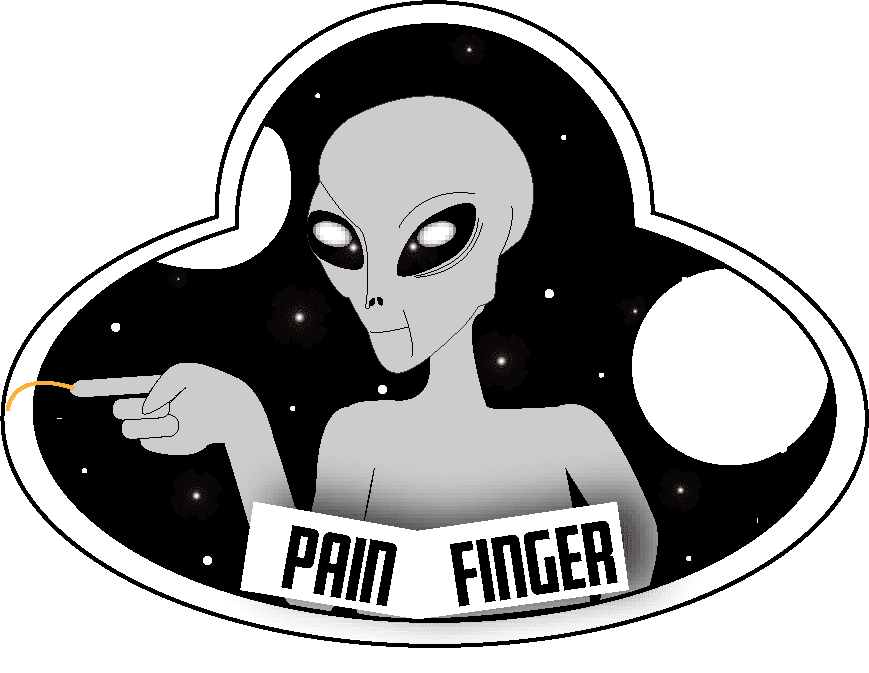
Pain Finger
One of our agile coaches showed a quality we really wanted to value: he didn’t shy away from difficult conversations, knew exactly when a discussion would become too heated and still managed to keep all participants in the room until we had a solution. This saved one of my teams from being eaten up by conflict, gluing them together into the tightest, best performing unit of people I’ve ever worked with until this day.
The badge was Scary Movie themed, valuing his ability to bring up difficult subjects - there’s a German saying that translates to “placing the finger in the wound”.
User Testing
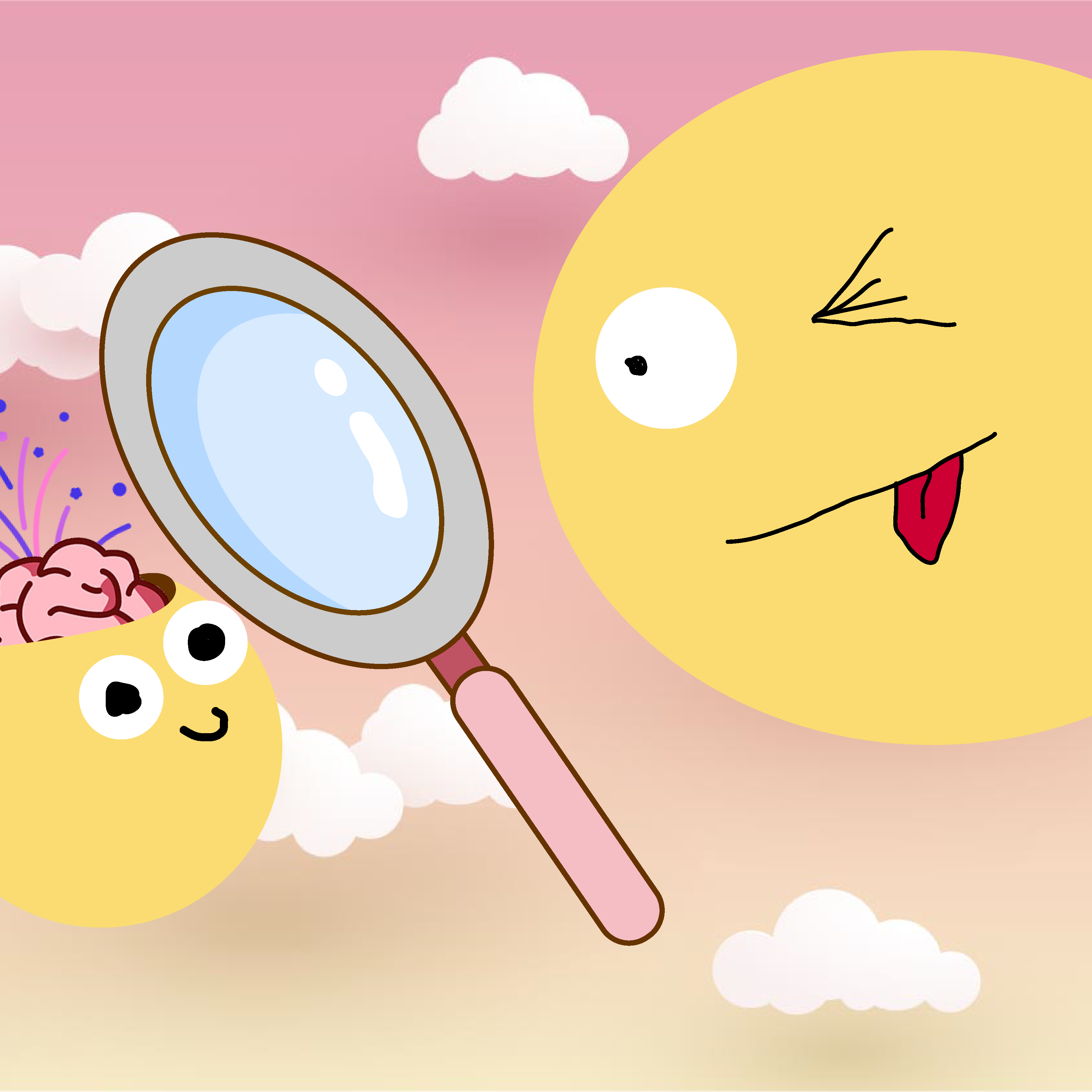
Being a pioneer in the team and doing something for the first time is never easy. So when a first little community of user researchers headed for a user test we wanted to appreciate their drive to try new things, introduce new research methods to the team and following through with it over all the hurdles. I crafted this badge after their favourite custom Slack emoji - :fug:.
The Night Rider
My favourite ever story behind a badge: Thomann has a feedback log accessible to everyone on the team. So whenever you felt like doomscrolling why not do that through actual customer feedback?
Long story short - one of the developers was ready to call it a day and gave the feedback log one last glance. There it was: a user complained about a bug in the app that really impacted the shopping experience in a negative way. Our developer couldn't reproduce it, saw the app version and OS in the logs and contacted his mother because he knew her phone might have matching specs. And boom, she did. Our developer got his bike out and ride it to his mother's house to reproduce and fix the bug there the same night. Mic drop.
Badges are not the end of the story
Do badges express appreciation? Yes. Do they remind people to not just point out what needs improvement but also celebrate wins? Also yes. Are they the only way to do that? No.
At Thomann we had more ways to show appreciation that went beyond salary, educational budget, leave and other employee benefits.
Needless to name them, I just wanted to give a reminder and say that if someone achieved something huge a badge might not cut it - give them that game on Steam they’ve been ogling, a guitar they have on their wish list or that specialty coffee that’s so hard to come by they’re nonstop talking about. Show them that you pay attention and that you appreciate them being part of your team.
Badges are not the end of the story but this is the end of this one.
Any
questions
?
Are you free for a casual chat?
What is your availability?
What kind of roles do you have experience in?
What's the last book you read?
Are you fully relocated to Australia?